Spinal Cord Injury Rehabilitation in Bangalore: Dr Spine – Supported Neuro-Rehabilitation
Recovering from a spinal cord injury (SCI) is a complex, long-term journey that requires structured medical care, neurological rehabilitation, and ongoing functional support. While emergency medical and surgical intervention are often the first steps, long-term recovery focuses on maximising neurological function, managing complications, and improving quality of life.
At Dr Spine, we offer chiropractic-supported neuro-rehabilitation, which is used as a supportive, adjunctive approach within a multidisciplinary SCI recovery program, helping to optimize spinal biomechanics, reduce secondary complications, and support neurological adaptation.
What Is a Spinal Cord Injury?
A spinal cord injury occurs when the spinal cord or the nerves at the end of the spinal canal (cauda equina) are damaged due to trauma or disease. This disruption affects communication between the brain and the body, leading to changes in movement, sensation, and autonomic functions below the level of injury.
The severity and recovery potential depend on the level of injury (cervical, thoracic, lumbar), completeness of injury (complete vs incomplete), and the speed and quality of rehabilitation received.
Spinal Cord Injury Causes
Understanding spinal cord injury causes helps guide rehabilitation planning and realistic goal setting. Common causes include traumatic and non‑traumatic conditions that affect the spine and cord.
- Motor vehicle accidents – leading cause in younger individuals.
- Falls – most common in older adults.
- Violence – gunshot or stab injuries.
- Sports injuries – high-impact contact sports.
- Non-traumatic causes – tumors, infections, spinal degeneration, and inflammatory conditions.
Spinal Cord Injury Signs and Symptoms: Spinal cord injury signs and symptoms vary based on injury level and severity, and patterns differ between complete and incomplete injuries. People may experience a combination of sensory, motor, and autonomic changes that impact daily function and independence.
Common symptoms include:
- Loss or alteration of sensation (touch, temperature, pain).
- Partial or complete loss of movement.
- Muscle weakness or paralysis.
- Spasticity or exaggerated reflexes.
- Loss of bladder or bowel control.
- Neuropathic pain (burning, electric-like sensations).
Cervical Spinal Cord Injury Signs and Symptoms: Cervical spinal cord injury (C1–C7) is often the most severe because the injury occurs in the neck region and can affect all four limbs.
These injuries can result in tetraplegia (quadriplegia) and may involve respiratory and autonomic complications that require close medical supervision.
Cervical spinal cord injury signs and symptoms may include:
- Loss of function in all four limbs (tetraplegia).
- Breathing difficulty (especially with higher-level C1–C4 injuries).
- Impaired speech or cough reflex.
- Autonomic dysreflexia (sudden blood pressure spikes in some cases).
- Loss of bowel and bladder control.
What Happens When the Spinal Cord Is Damaged? When the spinal cord is damaged, signal transmission between the brain and body is disrupted, affecting voluntary movement, reflexes, and sensation. The initial phase often involves spinal shock, followed by a longer period of adaptation and rehabilitation.
Medically, damage can involve:
- Spinal shock with temporary loss of reflexes below the injury.
- Inflammation and swelling that compress neural tissue.
- Myelin and axonal damage that slows or blocks nerve signal transmission.
Functionally, people may experience:
- Loss of voluntary movement.
- Altered or absent sensation.
- Poor muscle coordination.
- Chronic neuropathic pain.
Most individuals benefit from coordinated rehabilitation with GENIUNE** and experienced physicians to address these changes.
What Happens When the Spinal Cord Is “Broken”?
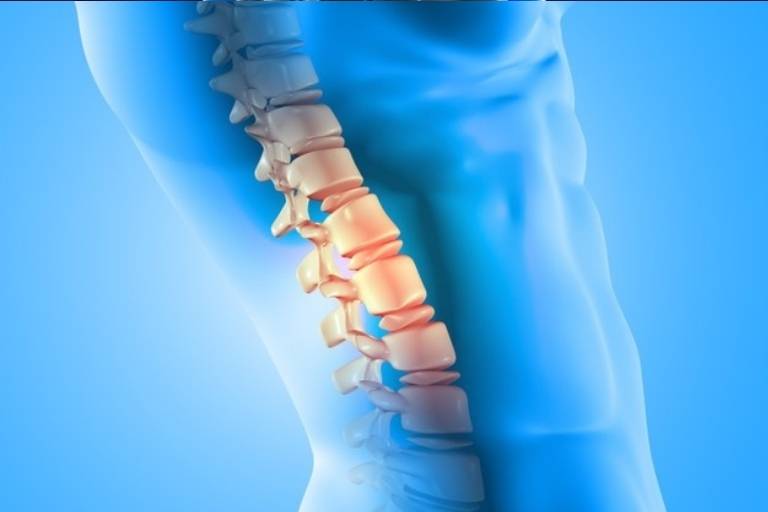
The spinal cord itself is rarely literally “broken.” Instead, the vertebrae (spinal bones) may fracture or dislocate, and this structural damage can injure or compress the cord. Fragments of bone, swelling, or disc material may press on the cord or nerves, contributing to neurological deficits.
Types of injury include:
- Complete SCI – no signal transmission below the level of injury.
- Incomplete SCI – partial signal transmission remains, allowing potential for functional improvement with structured rehabilitation.
Chiropractic Care for Spinal Cord Injury? Can a Chiropractor Help With Spinal Cord Injury?
Chiropractic care can play an important and supportive role for some people with spinal cord injury when it is used as part of a supervised, multidisciplinary neuro-rehabilitation program.
Chiropractic care does not cure paralysis or regenerate a severed spinal cord; its role is to help optimize the mechanical and neurological environment, support comfort, and reduce secondary complications such as musculoskeletal strain.
Chiropractic-Supported Treatment Approach
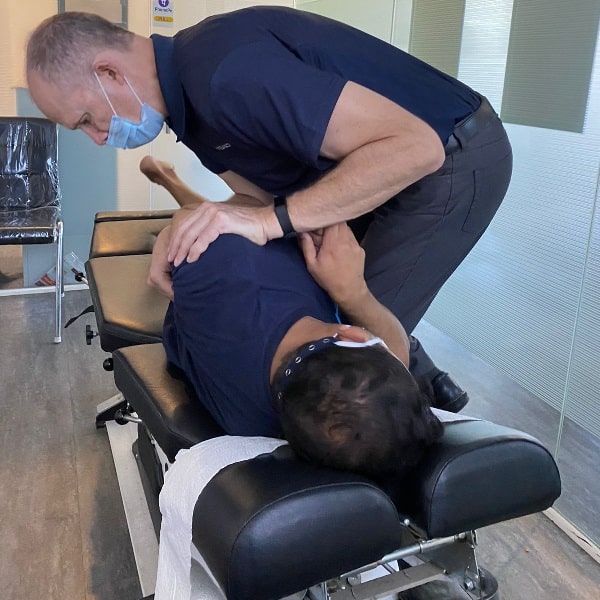
Chiropractic care for spinal cord injury focuses on spinal stability, alignment, and nervous system support, rather than direct manipulation of the injured spinal cord segment. Care is always customized to the person’s medical status and coordinated with the broader rehabilitation plan.
Key objectives include:
- Neurological optimization : Low-force techniques may be applied to segments adjacent to the injury level to reduce mechanical stress, support remaining neural pathways, and improve comfort.
- Spasticity and muscle tone management : Gentle, non-rotational techniques and soft-tissue approaches can help manage muscle tightness, spasms, and abnormal reflex patterns when used alongside medical and physiotherapy strategies.
Secondary pain relief. Wheelchair use and altered biomechanics often cause neck, shoulder, and upper-back pain. Chiropractic care may help relieve some compensatory strain and musculoskeletal discomfort in appropriately selected patients.
Chiropractic care at Dr Spine is always provided alongside conventional spinal cord injury rehabilitation, including various modalities and medical management, with treatment goals aligned with your rehabilitation physician.
Safety and Suitability
Patient safety is paramount in any spinal cord injury program, particularly when adding adjunctive therapies.
At Dr Spine, SCI-specific chiropractic protocols are designed conservatively and delivered only after thorough medical evaluation and clearance from the treating physicians.
Our SCI-focused chiropractic protocols include:
- Low-force, no-twist techniques.
- Instrument-assisted adjustments only, where appropriate.
- No high-velocity manipulation for spinal cord injury patients.
- Close coordination with neurosurgeons and rehabilitation physicians.
- Individualized protocols based on imaging, neurological status, and medical clearance.
Continuous monitoring, with techniques modified or stopped if any adverse response occurs.
FAQs
1. Can spinal cord injuries be cured?
Currently, there is no definitive medical cure that can fully restore a severed spinal cord. However, many people experience varying degrees of functional recovery through neuroplasticity, structured rehabilitation, assistive technology, and supportive care. Advanced chiropractic-supported neuro-rehabilitation, combined with physiotherapy and medical management, may help some patients improve independence, mobility, and overall quality of life, depending on injury type and severity.
2. Cervical spinal cord injury signs and symptoms?
Cervical injuries (C1–C7) may cause:
- Tetraplegia.
- Breathing difficulty.
- Impaired speech or cough.
- Autonomic dysreflexia in certain cases.
- Loss of bladder and bowel control.
3. What happens when the spinal cord is damaged? (Medical explanation)
When the spinal cord is damaged, communication between the brain and body is disrupted, and several processes occur:
- Signal transmission is altered or blocked.
- Swelling may increase pressure on nerves.
- Myelin and axonal damage slow nerve conduction.
Long-term neurological deficits can result if damage is severe.
4. What happens when your spinal cord is damaged? (Daily life impact)
In daily life, people may experience:
- Sensory loss or abnormal sensations.
- Muscle stiffness or spasms.
- Chronic nerve pain.
- Fatigue and reduced endurance.
- Emotional and psychological challenges that often benefit from counseling or psychological support.
5. What happens when the spinal cord is broken?
Most cases involve vertebral fractures or dislocations compressing the cord, rather than the cord itself being “broken.” Incomplete injuries retain some recovery potential, and functional improvement is possible through structured neurological rehabilitation, including chiropractic-led spinal stabilization and supportive therapies as part of a multidisciplinary plan.
Specialized Spinal Cord Injury Rehabilitation in Bangalore
At Dr Spine, we provide structured, ethical, and compassionate chiropractic-supported neuro-rehabilitation for appropriately selected spinal cord injury patients in Bangalore. Our protocols are developed in coordination with rehabilitation physicians and global chiropractic specialists experienced in complex neurological conditions.
We focus on supporting function, dignity, and independence—tracking measurable improvements whenever possible as part of a realistic, long-term recovery plan.
Take the Next Step
Every gain in movement, sensation, or stability matters after a spinal cord injury. Early, coordinated rehabilitation can make a meaningful difference to long-term outcomes and quality of life.
Request a consultation with our Bangalore spinal cord injury rehabilitation team at Dr Spine to explore a safe, personalized care plan that works alongside your existing medical treatment.
Legal-Safe Medical Disclaimer:
Chiropractic care for spinal cord injury is a supportive, adjunctive therapy and does not replace emergency medical treatment, surgery, or physician-directed rehabilitation. Results vary based on injury type, severity, and overall health. All care is provided only after medical evaluation and clearance. This information is for educational purposes only and is not a substitute for professional medical advice, diagnosis, or treatment.
** Most therapists claim to treat this kind of cases but a genuine one can be recognised with their certifications on the wall of the treatment rooms.