
Experiencing lower back ache after workout sessions can be frustrating and concerning, especially when you’re working hard to stay fit. Whether you notice a sore back after workout, discomfort after weightlifting, or consistent back pain after back exercise, understanding the root cause is essential to address the problem effectively.
In this article, we’ll explore the common causes of lower back pain after exercise, ways to prevent it, treatment options, and answer some frequently asked questions.
Introduction

Lower back pain is one of the most frequent complaints among fitness enthusiasts and athletes. Many people experience a back ache after exercise or a nagging lower back pain after back workout, especially after performing heavy lifting, high-impact exercises, or improper stretches.
While mild soreness can be a normal response to muscle exertion, severe or persistent pain could indicate underlying issues that need attention. The good news is that, with proper knowledge, you can significantly reduce the risk of pain and continue training safely.
Causes of Lower Back Pain After Exercise
There are various reasons why you might experience back pain after back exercise or lower back discomfort following a workout session. Some are temporary and muscle-related, while others could be structural or technique-related.
1. Muscle Soreness (DOMS)
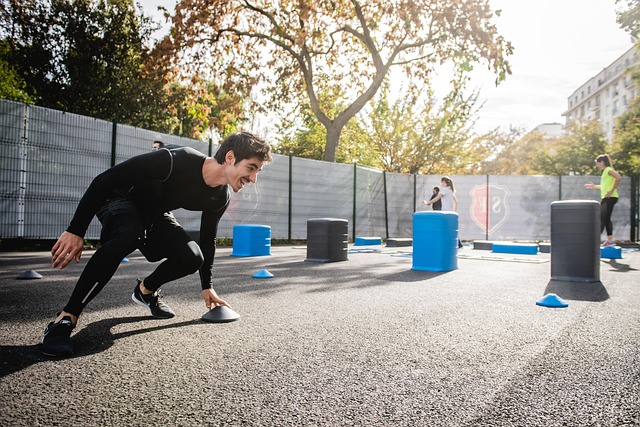
One of the most common causes is delayed onset muscle soreness (DOMS). When you challenge your muscles with a new or intense workout, tiny tears develop in the muscle fibers. This can lead to stiffness and sore back after workout, typically appearing 12-24 hours post-exercise.
2. Poor Exercise Form
Incorrect posture or technique during exercises such as deadlifts, squats, or bent-over rows can put excessive strain on your lumbar spine. For example, rounding your back during a deadlift can lead to lower back pain after back workout.
3. Overtraining and Lack of Recovery
Exercising too frequently without proper rest may cause inflammation and fatigue of the lower back muscles. Overtraining can also lead to chronic back ache after exercise, making recovery more challenging.
4. Weak Core Muscles
Your core supports your spine during workouts. Weak abdominal and oblique muscles force your lower back to overcompensate, leading to pain.
5. Herniated or Bulging Discs
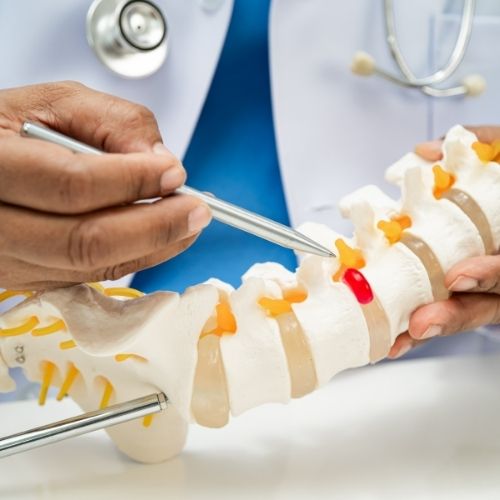
In some cases, a herniated disc or bulging disc can cause sharp lower back pain after workout. This usually occurs when lifting heavy weights with improper form or applying excessive pressure on the spine.
6. Tight Hamstrings or Hip Flexors
Tight hamstrings or hip flexors can alter the natural curve of the spine, increasing pressure on the lower back during workouts.
Prevention of Lower Back Pain After Exercise
The best way to avoid back ache after exercise is by adopting preventive strategies. Here are some effective tips:
1. Warm Up and Stretch Properly
Always begin with a warm-up to increase blood flow to your muscles. Incorporate dynamic stretches before and static stretches after your workouts to reduce stiffness and prevent a sore back after workout.
2. Maintain Proper Form
Learn and practice correct exercise techniques, especially for compound lifts like squats and deadlifts. Use lighter weights initially and gradually progress to heavier loads only when your form is perfect.
3. Strengthen Your Core
Include core exercises like planks, bird-dogs, and leg raises in your routine. A strong core stabilizes your spine and prevents lower back ache after workout sessions.
4. Avoid Overtraining
Give your muscles adequate time to rest and recover between sessions. Overloading your lower back repeatedly can lead to chronic pain and injuries.
5. Use Supportive Equipment
If lifting heavy weights, consider using a lifting belt for additional lumbar support. Good-quality footwear also plays a role in maintaining proper posture during workouts.
6. Address Muscle Imbalances
Work on flexibility by stretching tight hamstrings, hip flexors, and glutes. Strengthening these muscles helps maintain spinal alignment during workouts.
Treatment Options for Lower Back Pain After Exercise
If you’re experiencing lower back pain after back workout, there are several treatment options that can help relieve discomfort:
1. Rest and Recovery
Allow your body time to heal. Avoid strenuous activities for a couple of days if the pain is severe. Gentle walking and light stretching can help maintain mobility.
2. Apply Ice or Heat
Ice packs help reduce inflammation in the first 24-48 hours, while heat packs can relax stiff muscles if the pain persists.
3. Over-the-Counter Pain Relief
Non-steroidal anti-inflammatory drugs (NSAIDs) like ibuprofen can reduce pain and inflammation temporarily. However, avoid relying on them long term.
4. Gentle Stretches
Perform stretches that target the lower back, hamstrings, and hips. Yoga poses like the child’s pose or cat-cow stretch can help relieve mild pain.
5. Seek Professional Help
If your back pain after back exercise is severe, persistent, or accompanied by numbness or weakness in the legs, consult a chiropractor, physiotherapist, or orthopedic doctor. They can diagnose underlying conditions like disc issues or muscle tears.
6. Physical Therapy and Chiropractic treatments
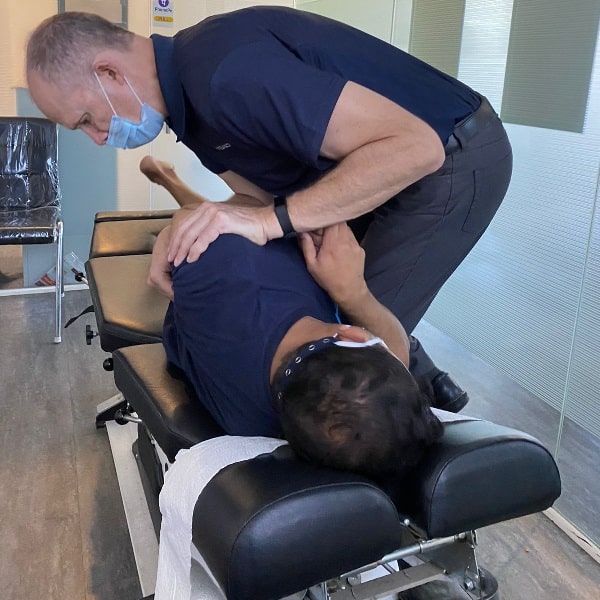
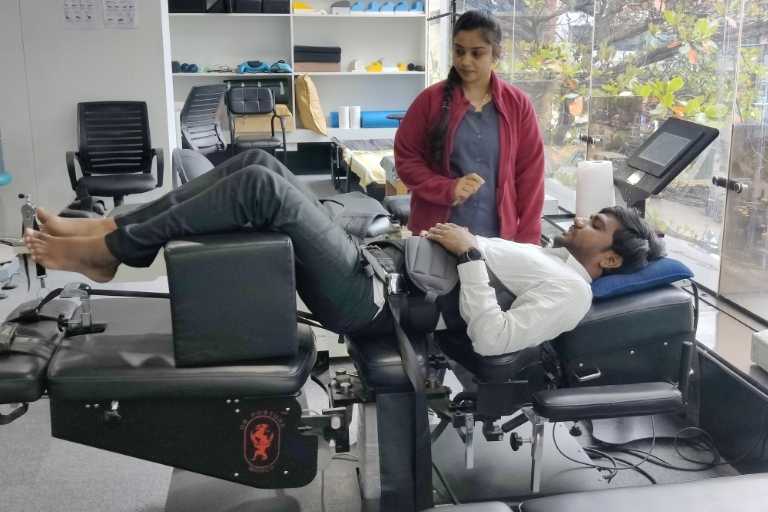
A physical therapist can design a customized rehabilitation plan to strengthen your back and core, improve flexibility, and prevent future injuries. A chiropractor can do adjustments to help your condition.
FAQs
1. Is lower back pain after exercise normal?
Mild muscle soreness or stiffness can be normal after an intense workout, especially if you performed new exercises. However, sharp or persistent lower back ache after workout may indicate poor form or an underlying injury.
2. How long does it take for a sore back after workout to heal?
DOMS-related pain usually resolves within 48-72 hours. If your back ache after exercise lasts longer or worsens, seek medical advice.
3. Can I continue exercising with lower back pain?
Avoid high-impact or heavy lifting exercises when in pain. Opt for low-impact activities like swimming or cycling and focus on stretching and strengthening exercises until you recover.
4. What exercises should I avoid if I have back pain after back exercise?
Skip exercises that strain your lower back, such as heavy deadlifts, barbell rows, and overhead presses, until the pain subsides. Consult a trainer to modify your routine.
5. When should I see a doctor?
See a doctor or physiotherapist if your lower back pain after workout persists for more than a week, is severe, or radiates down your legs.
Conclusion
Experiencing back pain after back exercise or lower back ache after workout can be discouraging, but understanding its causes and taking preventive steps can help you stay pain-free. Always focus on proper form, balance strength with flexibility, and give your body enough rest.
If you continue to experience pain despite following these tips, consult a healthcare professional. With the right approach, you can overcome lower back discomfort and continue your fitness journey safely.

One Comment
Comments are closed.